.png)
%20(1).png)

I recently saw a fellow nonprofit leader claim online that the easiest way to spot a fraudulent fundraising “expert” is when they say fundraising is about building relationships and that people will give when they’re ready.
Honestly, as a fundraising consultant, that statement struck a nerve.
On one hand, I understand the frustration behind it. Too many organizations hide behind the language of relationships while avoiding boldness, accountability, and clear, direct asks. That kind of fundraising doesn’t work—and it shouldn’t be defended, taught, or given the time of day.
But dismissing the role of relationships altogether misses the real issue.
Healthy fundraising isn’t about making friends or waiting passively for generosity to appear. It’s about trust. And trust doesn’t exist apart from strong, healthy relationships.
Think about any healthy relationship in your life. Trust is what allows honesty, directness, and accountability. It’s what keeps you from dancing around hard conversations. You speak clearly because the relationship can hold it.
Fundraising works the same way.
Without trust, a direct ask feels transactional. Without trust, vague “relationship-building” feels manipulative. Neither leads to sustainable giving.
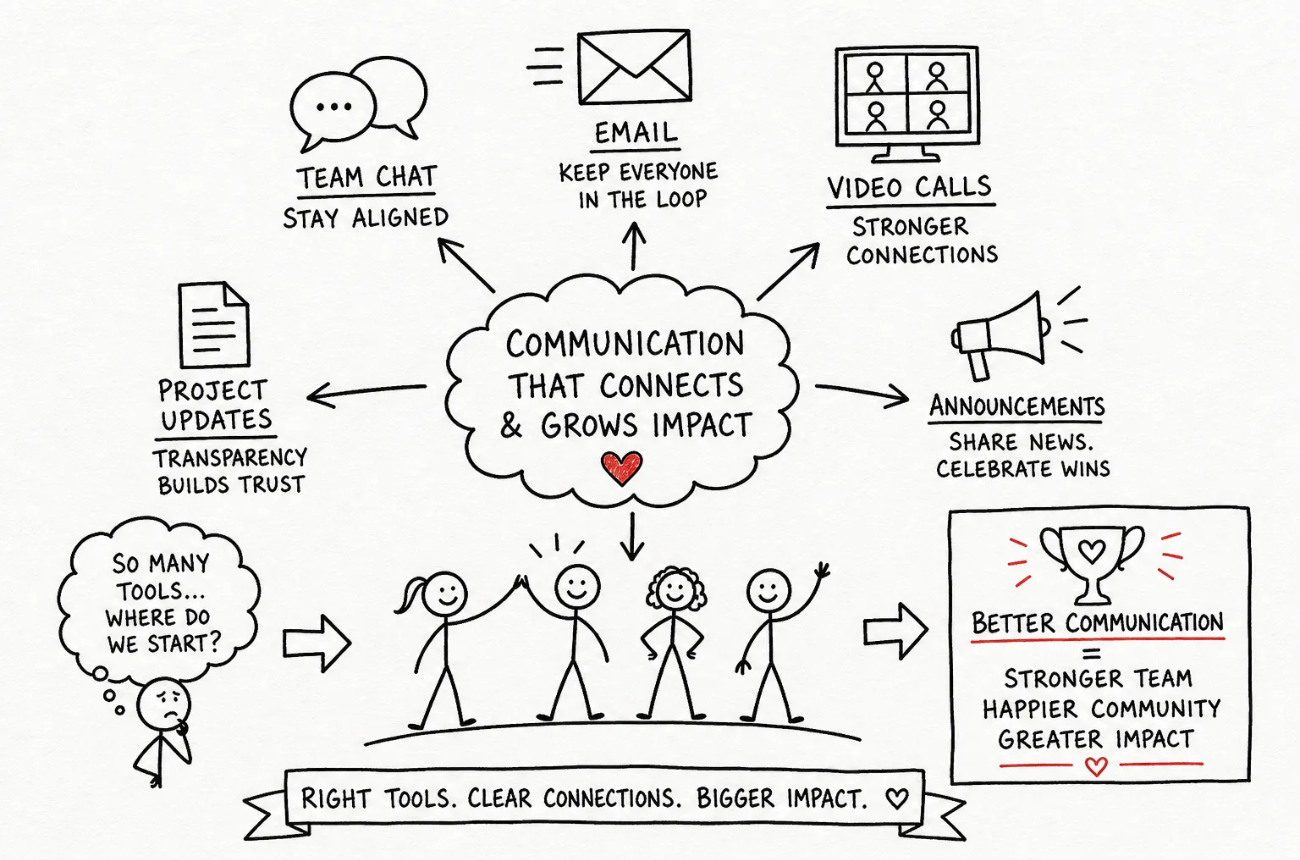
People don’t give simply because you asked. And they don’t give simply because you waited long enough or grabbed coffee often enough. They give when they trust your leadership, understand your mission, and believe their gift actually matters. That readiness doesn’t appear on its own. It’s built over time through consistent communication, transparency, and follow-through—in other words, intentional relationship building.
I understand the heart behind the critique of “relationship-based” fundraising. Being direct matters. Purpose matters. Accountability to your mission matters. But dismissing relationships too quickly severs the very thing that makes clarity and boldness possible.
When trust exists, asking for money isn’t awkward or aggressive. It’s honest. It’s aligned. It feels like a natural next step in a shared mission.
If your fundraising isn’t working, the problem usually isn’t that you care too much about relationships. It’s that trust hasn’t been intentionally built—or clearly honored—when it’s time to ask.
And no direct ask or quick communication tactic can fix that.

Email: services@britespur.com
Monday - Friday | 8 AM - 4 PM